Price:$690.00


Lares Trek to Machu Picchu | 4-Day Andean Trek
Description
The Lares Trek is one of the quietest and most authentic routes to Machu Picchu — a trail that leads through remote Andean villages and high mountain passes rather than crowded checkpoints. With Rainbow Mountain Vip, you’ll follow paths still used by local Quechua families, walk alongside herders and their alpacas, and experience a way of life that has changed little in generations.
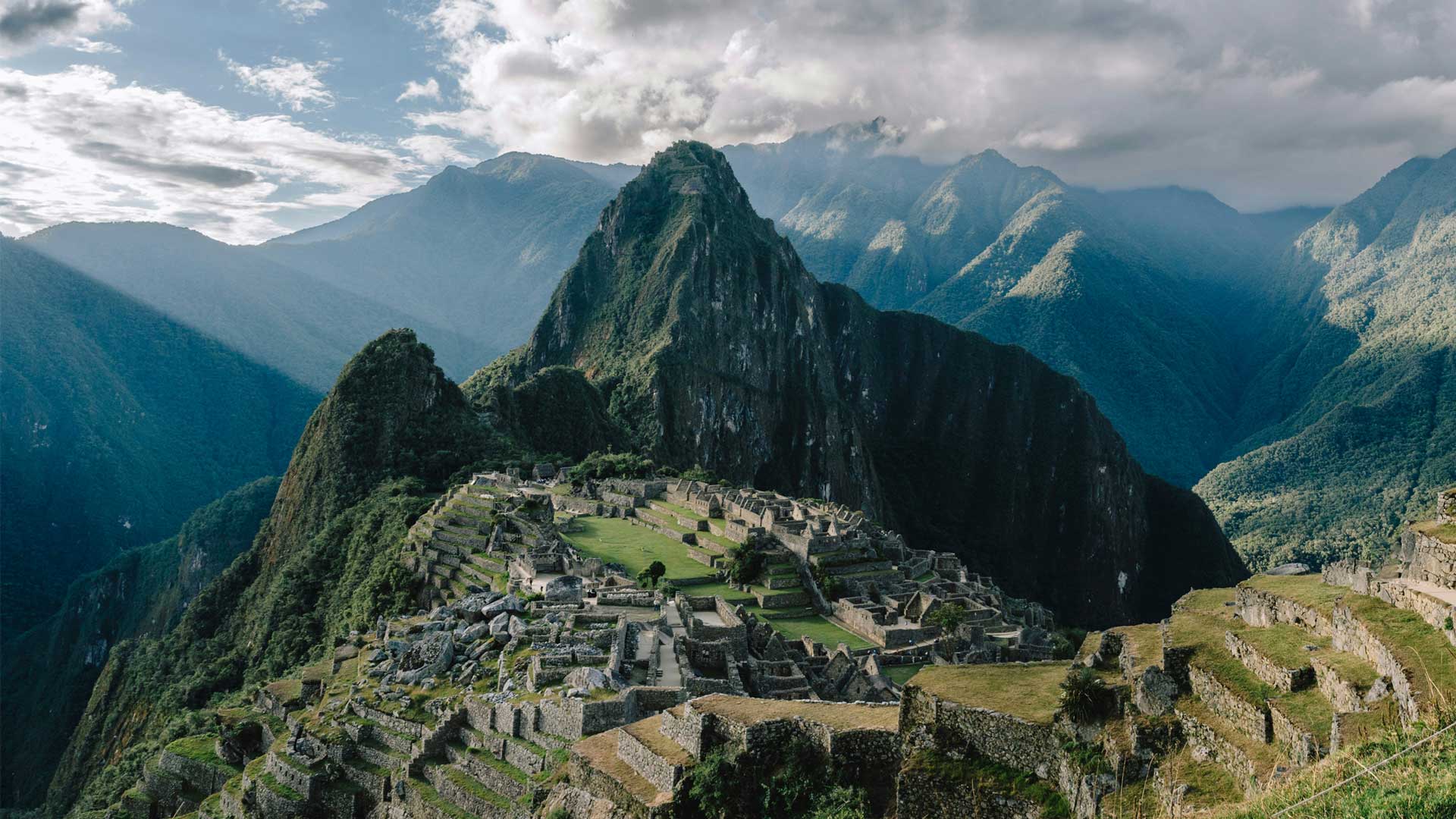
Over four days you’ll cross Condor Pass at nearly 4,700 meters, relax in the natural Lares Hot Springs, wander through Sacred Valley farmland, and finish with a guided tour of Machu Picchu itself. If you’re looking for a trek that pairs dramatic Andean scenery with genuine cultural connection, the Lares Trek is one of the most rewarding ways to reach the Inca citadel.
Peru’s Most Culturally Rich Route to Machu Picchu
The Lares Trek is more than a hike through the mountains — it’s a window into everyday Andean life that most other routes simply don’t offer. You’ll pass through villages like Kiswarani and Cancha Cancha, where families still speak Quechua, weave their own textiles, and farm the land by hand the way their ancestors did.
Expect to share the trail with a shepherd herding alpacas or a child walking to school, all set against a backdrop of high passes, glacial lakes, and open valleys. Scenery aside, it’s the people and their stories that tend to stay with travelers longest — this is a trek built around visiting homes, meeting families, and seeing what daily mountain life really looks like.
Your Trek Begins in Cusco
Every Lares Trek with Rainbow Mountain Vip starts in Cusco, where you’ll meet your guide and group for a mandatory pre-trek briefing the day before departure. It’s your chance to review the itinerary, get your gear checked, and ask any last questions before heading into the mountains. We recommend arriving in Cusco at least two days early to acclimatize to the altitude and enjoy some time in the city before the adventure begins.
Lares Trek Highlights
Soak in natural hot springs, cross Condor Pass at 4,700 meters, and camp beside quiet lakes and remote villages deep in the Andes. Along the way you’ll visit traditional communities, meet local families, and see how people live in some of the most isolated corners of Peru — moving through high alpine meadows, glacial valleys, and Sacred Valley farmland before ending with a guided visit to Machu Picchu. Few other treks combine nature, culture, and history so seamlessly.
Tour Overview
Departure &
Return
Hotel pickup in Cusco (approx. 6:00 AM) · Return to your Cusco hotel on Day 4 (approx. 8:00 PM)
Return
Hotel pickup in Cusco (approx. 6:00 AM) · Return to your Cusco hotel on Day 4 (approx. 8:00 PM)
Duration
4 Days / 3 Nights
4 Days / 3 Nights
Group Size
Min. 2 travelers per booking · Small groups, with an extra guide added for groups of 9+
Min. 2 travelers per booking · Small groups, with an extra guide added for groups of 9+
Difficulty
Moderate to Challenging — 12–13 km (6–7 hours) of hiking per day, including a high pass at 4,700 m
Moderate to Challenging — 12–13 km (6–7 hours) of hiking per day, including a high pass at 4,700 m
Meals
3 breakfasts, 3 lunches & 3 dinners included (all meals except breakfast on Day 1 and lunch on Day 4)
3 breakfasts, 3 lunches & 3 dinners included (all meals except breakfast on Day 1 and lunch on Day 4)
Max Elevation
4,700 m / 15,354 ft at Condor Pass
4,700 m / 15,354 ft at Condor Pass
Transportation
Private tourist vehicle, pack horses for gear, expedition train (Ollantaytambo–Aguas Calientes) & bus to Machu Picchu
Private tourist vehicle, pack horses for gear, expedition train (Ollantaytambo–Aguas Calientes) & bus to Machu Picchu
Season
Best May–September (dry season) · April & October are good shoulder months · Wetter and less recommended November–March
Best May–September (dry season) · April & October are good shoulder months · Wetter and less recommended November–March
Itinerary
Detailed Trip Itinerary
Pre-Trek Briefing (Required): All Lares Trek participants must attend a mandatory briefing the day before departure, held at your hotel or our Cusco office. We’ll review the route, check your gear, answer any questions, and hand out the duffel bag pack horses will carry for you during the trek.
Day 1: Cusco – Calca – Lares Hot Springs – Kiswarani Village – Yanacocha Lake
6:00 AM
Hotel Pickup & Drive to Calca
We’ll collect you from your Cusco hotel early enough to grab breakfast before the road. From there, it’s about an hour through the Sacred Valley to the market town of Calca.
~1 hour
7:00 AM
Calca Market Visit
Browse the local market and pick up small goods such as coca leaves, bread, rice, or sugar — items you can share with families along the trail.
~30 minutes
Mid-Morning
Drive to Lares & the Hot Springs
Continue by road to Lares town, roughly a two-hour drive, arriving at the mineral-rich Lares Hot Springs — a welcome soak before a multi-day hike.
~2 hours
Midday
Soak & Lunch at the Hot Springs
Relax in pools ranging from cool to very warm, long believed to ease sore muscles and joint pain, while our chef prepares a fresh lunch nearby.
~1.5 hours
Afternoon
Drive to Kiswarani & Begin Trekking
From the hot springs we drive to the remote village of Kiswarani, where locals still wear traditional dress and live much as their ancestors did — and where your hike officially begins.
~30-minute drive
Late Afternoon
Hike to the Seven Waterfalls & Yanacocha Lake
The trail climbs gradually at first, then steepens toward the Seven Waterfalls, where we’ll pause to take in the views before continuing up to Yanacocha Lake, tonight’s campsite.
~4–5 hours
Evening
Camp at Yanacocha Lake
Rest lakeside while the crew sets up camp, then enjoy dinner and hot tea before a well-earned night’s sleep under the stars at 3,800 m.
Overnight
12 km / 7.5 miles
5–6 hours hiking
3,000 m / 9,840 ft
3,956 m / 12,976 ft
Moderate
Lunch & Dinner
Camping at Yanacocha Lake (3,800 m)
5–6 hours hiking
3,000 m / 9,840 ft
3,956 m / 12,976 ft
Moderate
Lunch & Dinner
Camping at Yanacocha Lake (3,800 m)
Day 2: Yanacocha Lake – Condor Pass – Cancha Cancha Village
Early Morning
Wake-Up Call & Breakfast by the Lake
A warm cup of coca tea or coffee arrives at your tent, followed by breakfast with the lake and surrounding peaks in full view as the crew breaks camp.
~1 hour
Morning
Ascent to Condor Pass
The trail follows the lakeshore before climbing steadily to Condor Pass at 4,700 m (15,354 ft). Watch for mountain caracaras overhead and llamas or alpacas grazing along the way.
~4 hours
Midday
Pachamama Ceremony at the Summit
At the top, your guide leads a traditional offering to Pachamama (Mother Earth), followed by snacks and drinks to refuel before the descent.
~30 minutes
Afternoon
Descent to Acopata for Lunch
A two-hour descent brings you to Acopata (3,750 m), where a hot lunch will be waiting.
~2 hours
Late Afternoon
Hike to Cancha Cancha Village
One more hour of walking brings you to Cancha Cancha, one of the most remote villages in the region — no cars, no roads, just mountains and stone homes.
~1 hour
Evening
Village Visit & Camp
Visit the local school or chat with families — small gifts like school supplies or warm clothing are always welcomed. Back at camp, hot drinks are available all evening, and a short massage can be arranged in advance to ease tired legs.
Overnight
12 km / 7.5 miles
7 hours hiking
3,870 m / 12,694 ft
4,780 m / 15,678 ft
Challenging
Breakfast, Lunch & Dinner
Camping at Cancha Cancha Village
7 hours hiking
3,870 m / 12,694 ft
4,780 m / 15,678 ft
Challenging
Breakfast, Lunch & Dinner
Camping at Cancha Cancha Village
Day 3: Cancha Cancha Village – Sacred Valley – Ollantaytambo – Aguas Calientes
Morning
Local Home Visit
After breakfast, visit a family home in Cancha Cancha to see traditional Andean farming tools and techniques up close, especially for growing potatoes. You might even pick up a few words of Quechua, the language once spoken across the Inca Empire.
~1 hour
Mid-Morning
Descent into the Sacred Valley
The trail descends gradually through farmland that shifts with elevation — potatoes and beans up high, giving way to corn, quinoa, and avocado trees lower down.
~4 hours
Midday
Farewell Lunch in Huaran
Reaching Huaran (2,700 m / 8,856 ft), you’ll enjoy your final trail-cooked meal and say goodbye to the chef, porters, and horsemen who supported you along the way.
~1 hour
Afternoon
Drive to Ollantaytambo
Transfer by van to the town of Ollantaytambo, with time to explore its cobblestone streets and Inca terraces before boarding the train.
~1 hour
Late Afternoon
Train to Aguas Calientes
Board the afternoon expedition train to Aguas Calientes (Machu Picchu Pueblo), the gateway town to the citadel.
~1.5–2 hours
Evening
Hotel Check-In & Dinner
Settle into your hotel and enjoy dinner at a local restaurant, resting up for your Machu Picchu visit the next morning.
Overnight
13 km / 8.1 miles
6–7 hours hiking
2,792 m / 9,158 ft
4,458 m / 14,622 ft
Moderate
Breakfast, Lunch & Dinner
Hotel in Aguas Calientes (double occupancy)
6–7 hours hiking
2,792 m / 9,158 ft
4,458 m / 14,622 ft
Moderate
Breakfast, Lunch & Dinner
Hotel in Aguas Calientes (double occupancy)
Day 4: Machu Picchu Citadel – Return to Cusco
Early Morning
Bus to Machu Picchu
After breakfast at your hotel, board the bus up the mountain to the entrance of Machu Picchu.
~30 minutes
Morning
Guided Tour of the Citadel
Your expert guide leads you through Machu Picchu’s most important sites, sharing the history behind this Inca masterpiece.
~3 hours
Midday
Free Time or Optional Hike
Explore the citadel independently, or tackle an optional hike up Huayna Picchu or Montaña Machu Picchu (tickets must be booked in advance; not included).
Flexible
Afternoon
Return to Aguas Calientes & Train Departure
Take the bus back down to Aguas Calientes, with time to explore the town before your train to Ollantaytambo or Poroy.
~1.5–2 hours
Evening
Drive Back to Cusco
Our team meets you at the station and drives you back to your Cusco hotel, with arrival around 8:00 PM.
~2 hours
No hiking — sightseeing day
2,040 m / 6,691 ft
2,440 m / 8,052 ft
Easy
Breakfast only
Bus, train & private vehicle
2,040 m / 6,691 ft
2,440 m / 8,052 ft
Easy
Breakfast only
Bus, train & private vehicle
Inclusions
Inclusions
What’s Included & What’s Not
What’s Included
- Professional English-speaking guide — plus a second guide for groups of 9 or more
- Pre-departure briefing at your hotel 1–2 days before the trek
- Entry to the Lares Hot Springs
- Hotel pickup and transportation to Kiswarani, the trek’s starting point
- Four-person tent shared between two trekkers
- Sleeping mattress and pillow
- Kitchen and dining tents with tables and chairs
- Private toilet tent
- Professional chef and cooking staff
- Wranglers and horses to carry all group equipment
- Horse allowance of up to 8 kg for your personal gear, plus a duffel bag
- Emergency horse available if needed
- All trek meals — 3 breakfasts, 3 lunches, 3 dinners
- Boiled drinking water each morning and evening, plus hot water for washing
- Emergency oxygen and first-aid kit
- Expedition train tickets, Ollantaytambo–Aguas Calientes and return
- One night’s hotel stay in Aguas Calientes (double occupancy)
- Machu Picchu entry ticket & private guided tour, plus round-trip bus tickets to the citadel
Not Included
- Sleeping bag (available to rent)
- Trekking poles (available to rent)
- Huayna Picchu or Montaña Machu Picchu tickets — optional, $75 USD each, must be booked in advance and are self-guided
- Lunch on Day 4 in Aguas Calientes
- Tips for your guide, chef, and wranglers
- Travel insurance (highly recommended)
Packing List
Packing List
4-Day Lares Trek Packing List
Pack light — horses carry up to 8 kg of personal gear in the duffel bag we provide. Keep a small daypack (20–30L) with you for anything you’ll need during the day; everything else travels with the mules and is available each evening at camp.
Original Passport & CashPassport is mandatory for Machu Picchu entry; carry Peruvian soles for tips and souvenirs
Rain GearWaterproof, windproof jacket and/or poncho
Warm LayersFleece jacket plus a down or synthetic insulated jacket for cold evenings
Sun ProtectionHat, sunglasses & SPF 30+ sunscreen — UV is intense at altitude
Warm Hat & GlovesEssential for cold mornings and the high pass
Reusable Water Bottle2–3L capacity; single-use plastic bottles are banned at Machu Picchu
HeadlampWith spare batteries, for early starts and camp evenings
Sturdy Hiking BootsWaterproof and well broken-in before the trek
Trekking PolesRecommended for balance on climbs and descents (rentable)
Sleeping BagRated to -10°C / 14°F or lower — nights are cold (rentable)
SwimsuitFor the Lares Hot Springs and Aguas Calientes
Personal First-Aid KitBlister plasters, pain relievers & altitude medication
Insect RepellentEspecially useful at lower altitudes and around Machu Picchu
Portable ChargerKeep your camera or phone powered for four days on the trail
Daypack (20–30L)For water, snacks, camera & extra layers during the day
Toilet Paper & Hand SanitizerNot always available at trail stops
Pricing
Pricing
Prices & Add-Ons
Group Price
$690
USD per person
Min. 2 travelers · Joined with other small groups when available
Private Price
$750
USD per person
No other travelers join your group, regardless of size
Discounts: $20 USD off for trekkers under 18 · $35 USD off for children under 7.
| Rentals & Add-Ons | Price |
|---|---|
| Hiking poles (pair) | $25 USD |
| Sleeping bag | $30 USD / person |
| Private tent | $40 USD / person |
| Huayna Picchu permit | $75 USD / person |
| Return Vistadome train upgrade | $80 USD / person |
| Return Hiram Bingham train upgrade | $520 USD / person |
| Sumaq Machu Picchu Hotel (5-star, double occupancy, per night) | $255 USD / person |
| Inkaterra El Pueblo Machu Picchu (5-star, double occupancy, per night) | $250 USD / person |
| El Mapi Hotel by Inkaterra (4-star, double occupancy, per night) | $115 USD / person |
| Tierra Viva Machu Picchu (3+ star, double occupancy, per night) | $60 USD / person |
Additional Info
Additional Info
Additional Information
Group vs. Private Treks — What’s the Difference?
On a group booking, other travelers may join to fill out the group, and pricing reflects that shared cost. Choose “private” and no one else joins your party, no matter its size. The minimum booking size is two people, though solo travelers can often be paired with another small group.
Tipping
Tips aren’t included in the trek price but are customary and appreciated. As a guideline, groups typically set aside $20–50 USD per person in total for the guide, chef, and wranglers, based on the level of service.
Sustainability & Community
Rainbow Mountain Vip prioritizes responsible tourism on every Lares departure — supporting local communities through village visits and market stops in Calca, using pack horses responsibly, and providing eco-friendly camp facilities. Optional gifts such as school supplies or warm clothing for village families are always welcome, and never expected.
Other Treks to Machu Picchu
If the Lares Trek isn’t quite the right fit, Rainbow Mountain Vip also runs several other routes to Machu Picchu:
- Salkantay Trek (5 days): A more physically demanding route past snow-capped peaks, turquoise lakes, and cloud forest.
- Ancascocha Trek (4–5 days): A remote, off-the-beaten-path adventure with alpine lakes and Inca sites, connecting to a section of the Classic Inca Trail.
- Inca Quarry Trek (4 days): An easier, culturally focused hike to the ancient quarries that supplied Ollantaytambo’s stonework.
- Hidden Valley Trek (5 days): One of our newest routes, blending remote villages, Inca ruins, and sweeping Andean views.
Faqs
Faqs
Frequently Asked Questions (FAQs) for the Lares Trek to Machu Picchu
How difficult is the Lares Trek?
The Lares Trek is moderate to challenging — suitable for hikers with good fitness, though no technical climbing skills are required. Expect 12–13 km of walking per day over 6–7 hours, across varied terrain with steep ascents and descents. The biggest factors are the altitude (up to 4,780 m / 15,678 ft at Condor Pass) and shifting mountain weather. It’s more forgiving than the Classic Inca Trail, with regular breaks, cultural stops, and pack horses to carry your gear. We recommend cardio training beforehand and a few days to acclimatize in Cusco.
How long is the trek, and what’s the daily hiking time?
The full route covers approximately 37 km / 23 miles across 4 days, including the Machu Picchu visit. Day 1: 12 km / 6 hours. Day 2: 12 km / 7 hours. Day 3: 13 km / 6–7 hours. Day 4 has no hiking and focuses on exploring Machu Picchu. The pace is designed for enjoyment rather than speed, with plenty of time for meals, village visits, and rest.
What makes the Lares route different from the Inca Trail?
The Lares Trek prioritizes cultural immersion in remote Andean life over archaeological sites. You’ll pass through villages like Kiswarani and Cancha Cancha, meet Quechua-speaking families, and see traditional farming and weaving up close, all with far fewer crowds than the Inca Trail. It also doesn’t require permits booked months in advance, and it connects to Machu Picchu via train from Ollantaytambo rather than arriving on foot through the Sun Gate.
When is the best time of year to do the Lares Trek?
The dry season, from May to September, offers the clearest skies and least rain. April and October are decent shoulder months with occasional showers. The wet season, November through March, can leave trails muddy and slippery, so it’s less recommended. Andean weather is unpredictable year-round, so pack layers no matter when you go.
How can I prepare for altitude sickness?
Altitude sickness can affect anyone, regardless of fitness level. We recommend arriving in Cusco at least two days before your trek to acclimatize, staying hydrated, eating light, and avoiding alcohol early on. During the trek, our guides carry emergency oxygen and a first-aid kit, and coca tea is provided daily. Take ascents slowly and let your guide know right away if you experience headaches, nausea, or dizziness.
What should I pack for the Lares hike?
Pack light, since horses carry up to 8 kg of your personal gear in the provided duffel bag. Essentials include layered clothing (base layers, fleece, waterproof jacket), a warm hat and gloves, sturdy hiking boots, trekking poles (rentable), sun protection, a reusable water bottle, snacks, personal medication, a headlamp, a swimsuit for the hot springs, and a 20–30L daypack for daily items. A cold-rated sleeping bag is also recommended and can be rented if needed. See our full packing list above for details.
Do I need a guide, or can I hike the Lares route independently?
A professional English-speaking guide is included and strongly recommended for safety, navigation, and cultural context. The route passes through remote areas with little to no signage, and guides handle logistics, emergencies, and interactions with local communities. While experienced hikers might attempt it solo, coordinating permits, transportation, and support independently is not advised. Groups of 9 or more are assigned a second guide.
What food and meals are provided?
All trek meals are included except breakfast on Day 1 and lunch on Day 4 — a total of 3 breakfasts, 3 lunches, and 3 dinners prepared by our chef using fresh, energy-dense ingredients like rice, pasta, chicken, vegetables, and Andean staples such as potatoes and quinoa. Vegetarian and other dietary needs can be accommodated with advance notice. Boiled drinking water is provided twice daily, along with hot drinks like coca tea and coffee, plus snacks at high points such as Condor Pass.
What are the accommodations like?
Nights 1 and 2 are spent camping in four-person tents shared between two trekkers, with sleeping mats and pillows provided, at scenic sites such as Yanacocha Lake (3,800 m) and Cancha Cancha (3,870 m). Each campsite includes kitchen and dining tents, a private toilet tent, and hot water for washing. Night 3 is a hotel stay in Aguas Calientes on double occupancy. Nights can be cold, so a warm sleeping bag is essential.
Are there toilets and showers along the trail?
A private toilet tent is set up at each campsite. Along the trail itself, facilities are limited, but Day 1 includes a stop at the Lares Hot Springs, where showers are available. Hot water for washing is also provided each evening at camp.
What happens if I can’t finish the trek due to health issues?
If you’re unable to continue — due to altitude sickness, for example — our guides will help you reach the nearest access point for transport back to Calca or Ollantaytambo, and an emergency horse is available for tired trekkers. In extreme cases, helicopter evacuation can be arranged at your expense, which is why travel insurance is strongly recommended. Refunds aren’t provided for unfinished portions, but we’ll do our best to help you rejoin the group for the Machu Picchu visit.
Do I need my original passport, and can I change my trek date after booking?
Yes — bring your original passport, as it’s required for train tickets, entry to Machu Picchu, and checkpoints along the way. If you’re renewing your passport, let us know in advance so we can update your booking (a fee may apply). Date changes are generally not possible once tickets are purchased, since government permits and train tickets are non-transferable and non-refundable, so please contact us as soon as possible if a conflict arises.
How much should I budget for tips and other extra costs?
Tipping isn’t included but is customary — typically $20–50 USD per person total for your guide, chef, and wranglers, depending on service. Other possible extra costs include renting a sleeping bag or trekking poles, Huayna Picchu tickets ($75 USD, booked in advance), lunch on Day 4 in Aguas Calientes, and travel insurance, which we highly recommend for medical or evacuation coverage.
Is the Lares Trek suitable for beginners or families?
Yes, with the right preparation. The moderate pace, cultural focus, and built-in support — including pack horses and an emergency horse — make it accessible to beginners, families, and casual hikers. It’s less ideal for very young children or those with mobility issues, but older kids and fit seniors regularly enjoy it. A bit of cardio training and altitude acclimatization beforehand goes a long way; reach out to us for family-friendly customizations.
Lares Trek vs. Salkantay Trek — which should I choose?
Both are popular alternatives to the Classic Inca Trail, without its strict advance-permit requirements. The Lares Trek leans into cultural immersion in remote Quechua communities, while the Salkantay Trek is built around dramatic natural landscapes and a greater physical challenge, including a higher pass. If meeting local families and experiencing Andean village life is your priority, Lares is the better fit.
How high does the Lares Trek go?
The route peaks at around 4,700–4,800 m (15,400–15,750 ft) at Condor Pass, also known locally as Pachacutec or Pachakuteq Pass — the trek’s highest and most demanding point.
Why choose Rainbow Mountain Vip for the Lares Trek?
Among hundreds of Peruvian tour operators, Rainbow Mountain Vip stands out for fair wages and genuine investment in the communities the trek passes through, consistently strong traveler reviews for service and organization, expert guides who bring real cultural insight to small groups, and hearty trailside meals suited to different diets. We keep logistics smooth from pickup to drop-off, so you can focus on the trail.
Are there other alternative treks to Machu Picchu?
Yes — alongside the Lares Trek, Rainbow Mountain Vip offers the Salkantay Trek (5 days), the remote Ancascocha Trek (4–5 days), the shorter and easier Inca Quarry Trek (4 days), and the newer Hidden Valley Trek (5 days). Each route ends at Machu Picchu but takes a different path through the Andes — get in touch and we’ll help you pick the one that fits your trip best.
Related Tours
- Full Day
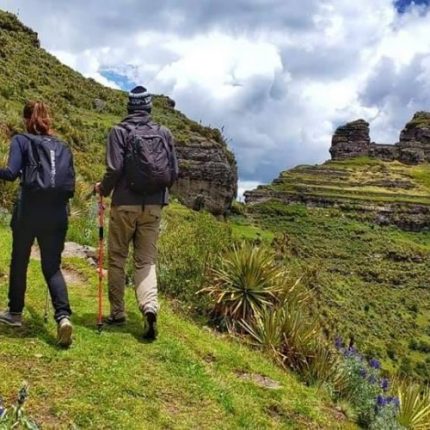
waqrapukara is the new wonder of cusco, if you are in cusco or plan to come!! Be sure to visit this new wonder that Cusco has, a unique archaeological center with spectacular landscapes that you should not miss. built by canchis y incas
- Full Day
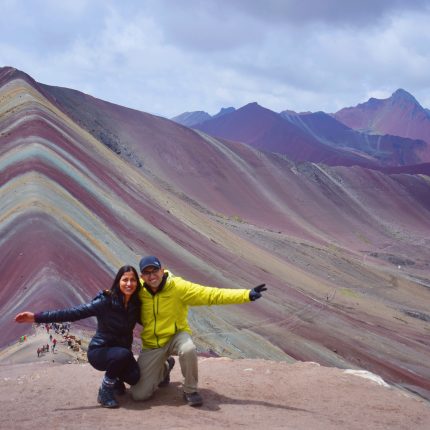
The minerals that this mountain of vinicunca shows us is impressive, because we can see more than 7 colors, different landscape due to the presence of the Andes and the climate that is in the moment.
- Full Day
This place is one of the magical and unique places in the world, where the magic of a geological formation stands out that with time and deglaciation is being born in the Peruvian Andes.
Best experiences to rainbow mountain